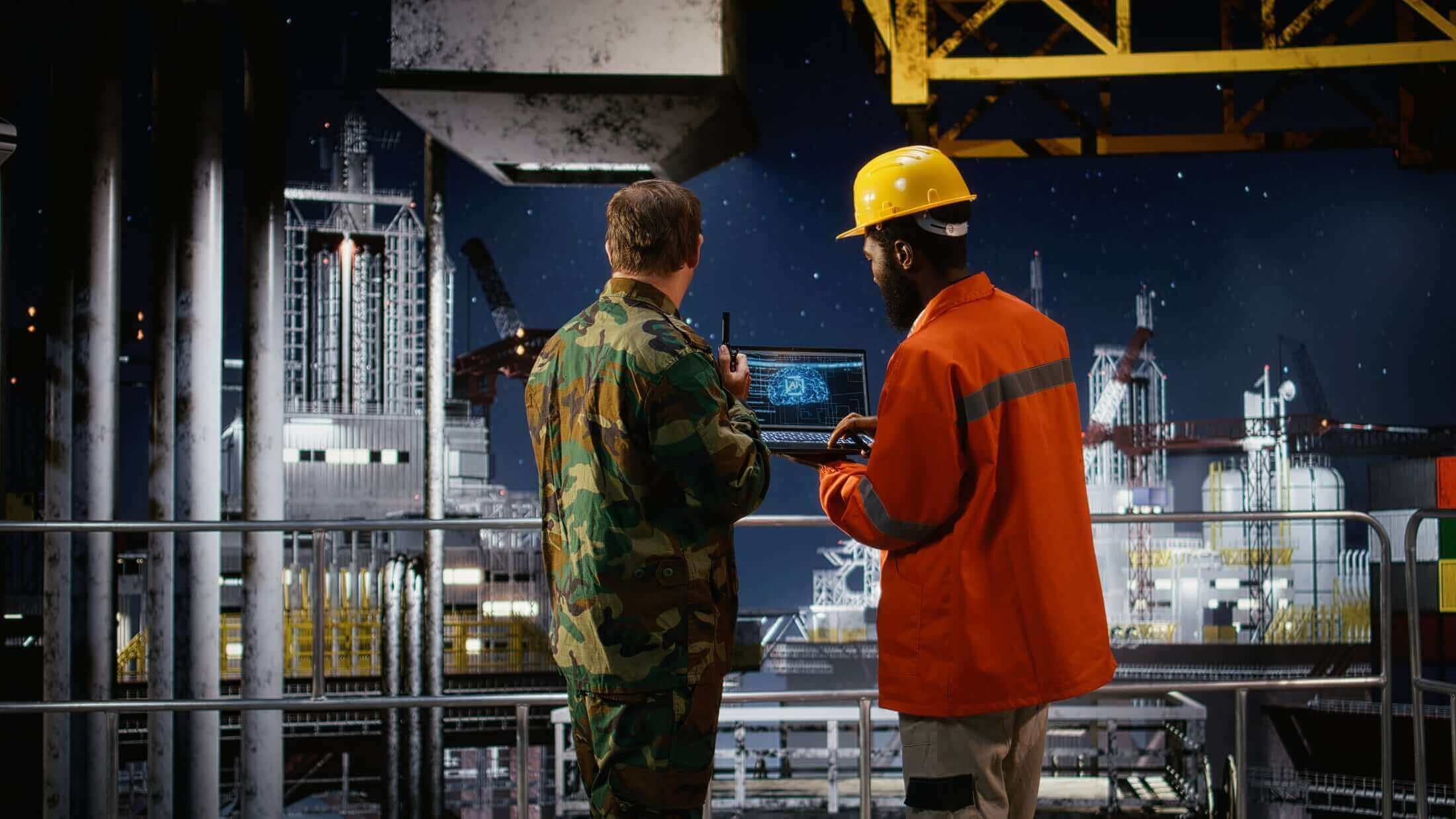
Where Fundamental Science MeetsIndustrial Deployment.
Explore Research AreasA Multidisciplinary Research Engine
With 20+ faculty across mechanical, electrical, materials, civil, and computer science disciplines, CNDE brings together one of the most multidisciplinary NDE research environments in the world.
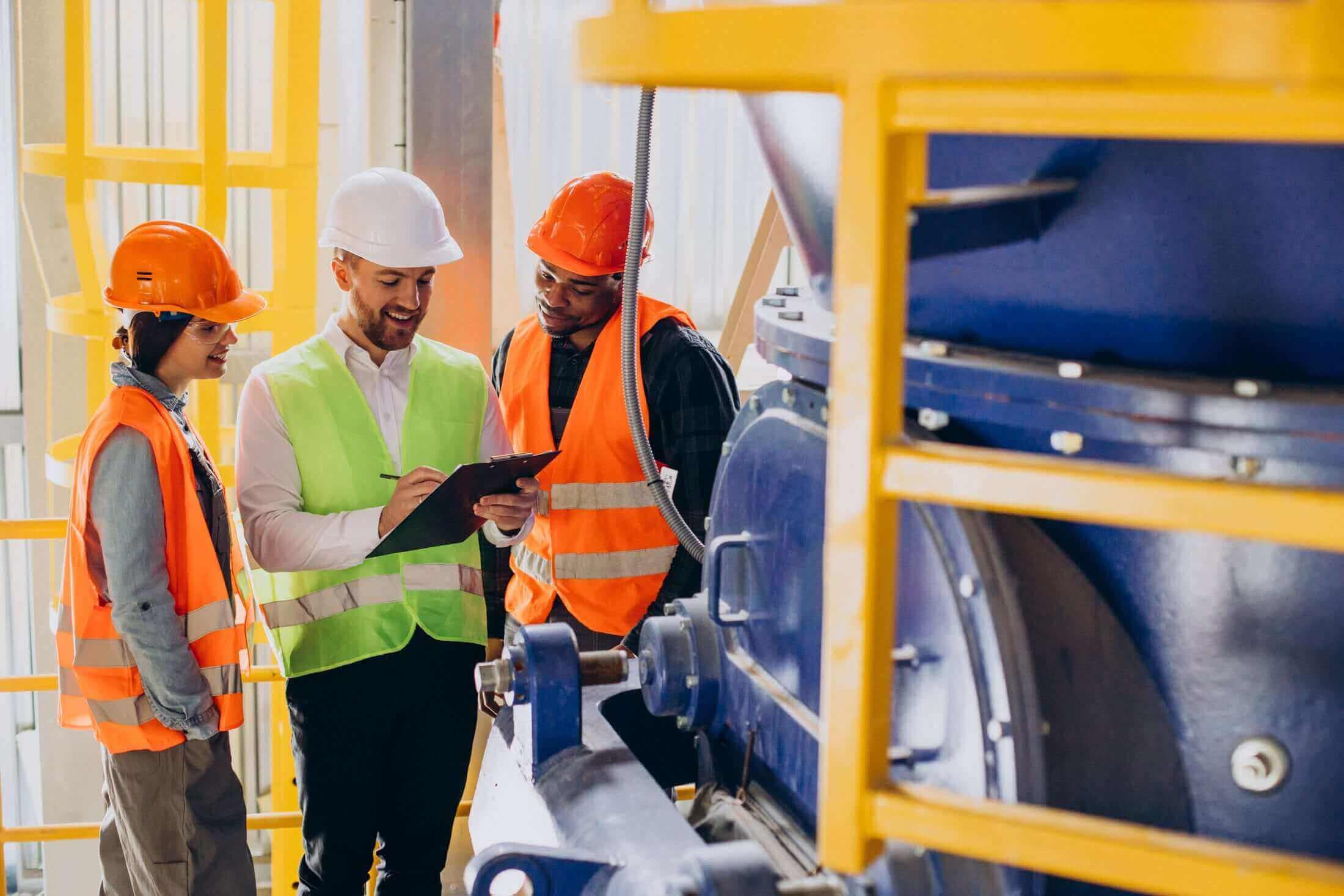
Research Focus Areas
Three domains. One mandate: see inside without breaking.
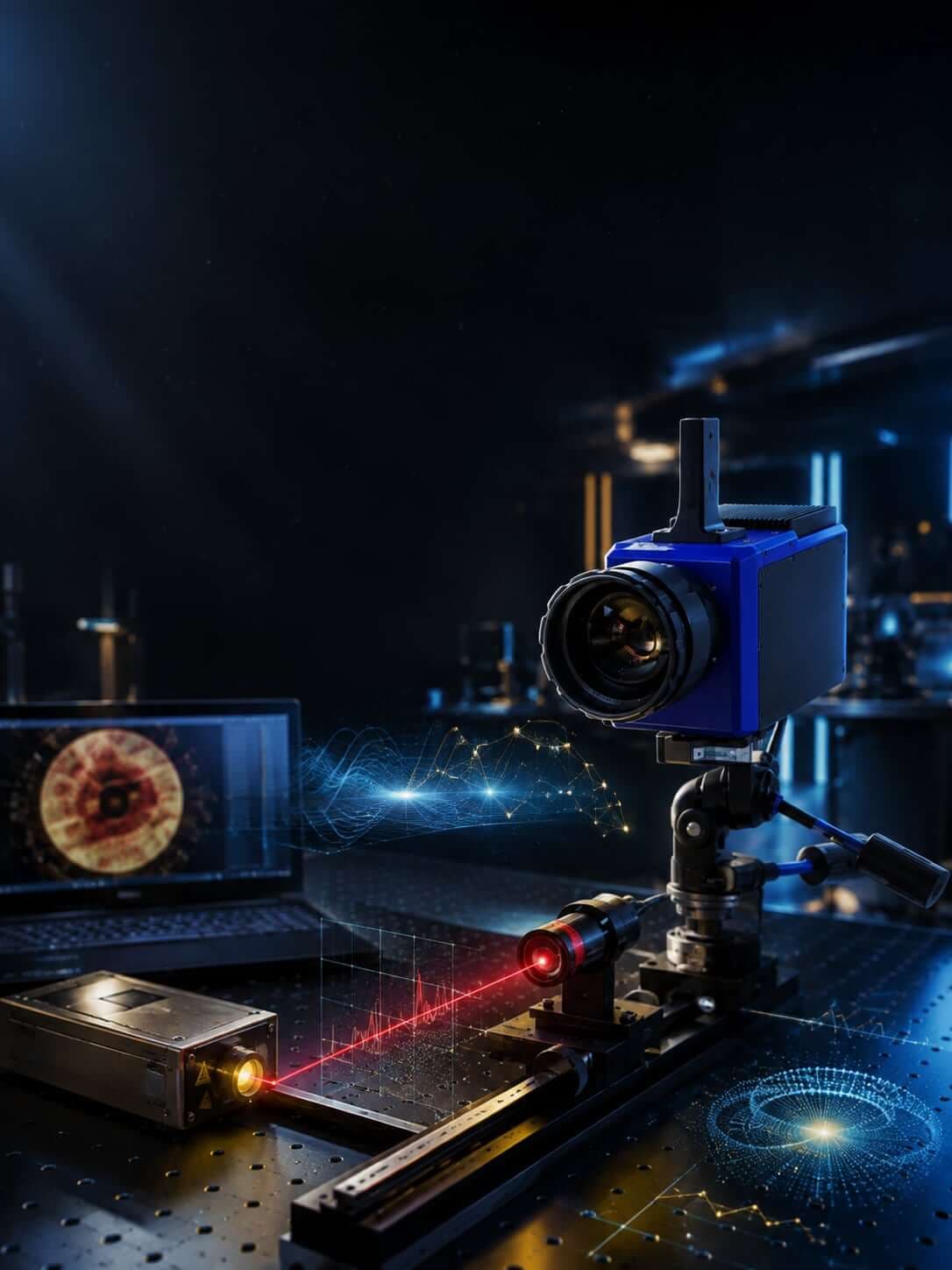
Nondestructive Imaging & Evaluation
Advanced inspection technologies for faster, more reliable assessment of industrial components and structures using ultrasonic, electromagnetic, thermographic, and multi-spectral methods.
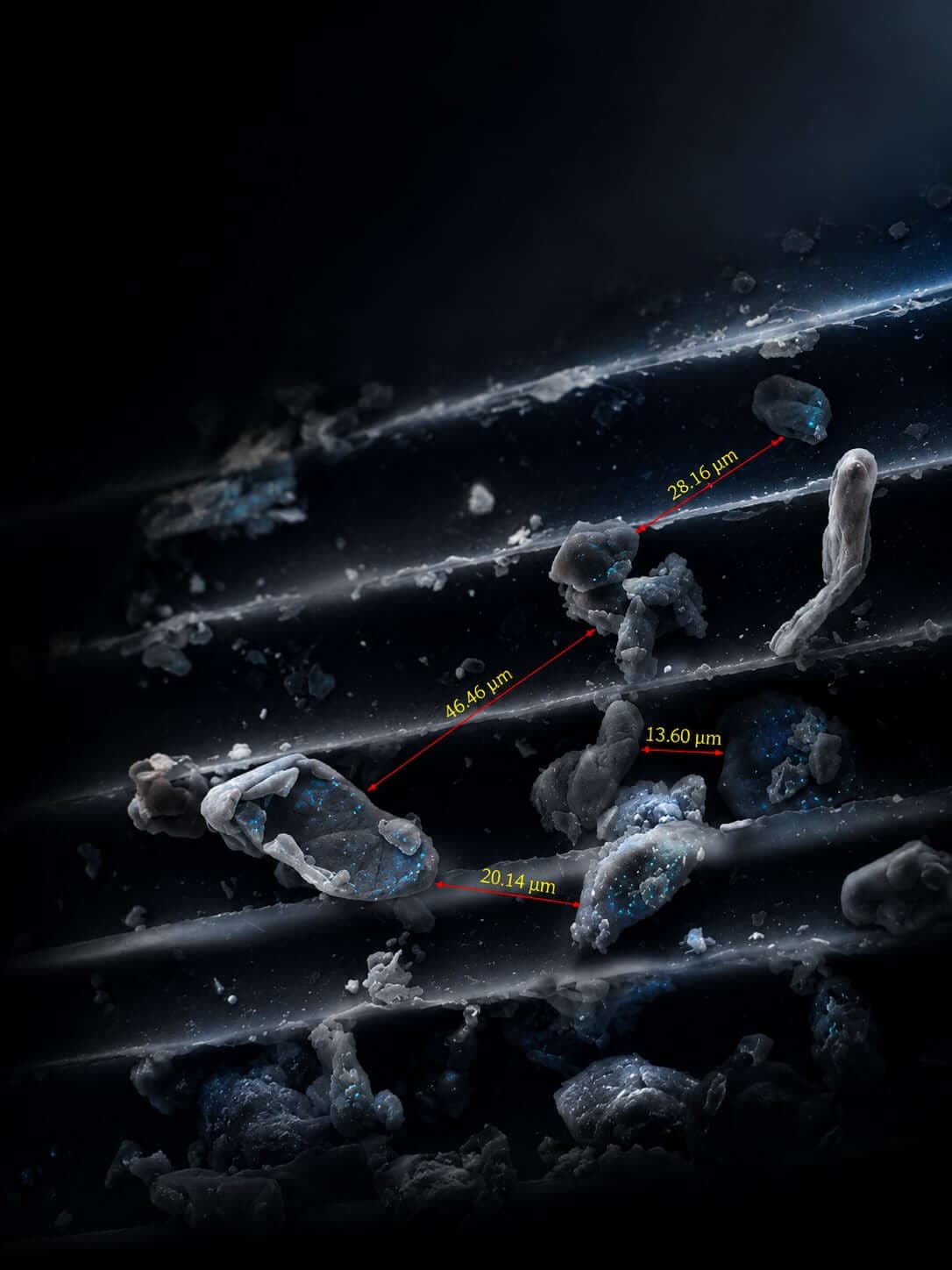
Structural Health Monitoring
Continuous monitoring systems that improve the safety and life of bridges, pipelines, aircraft, and industrial plants without shutdown or intervention.
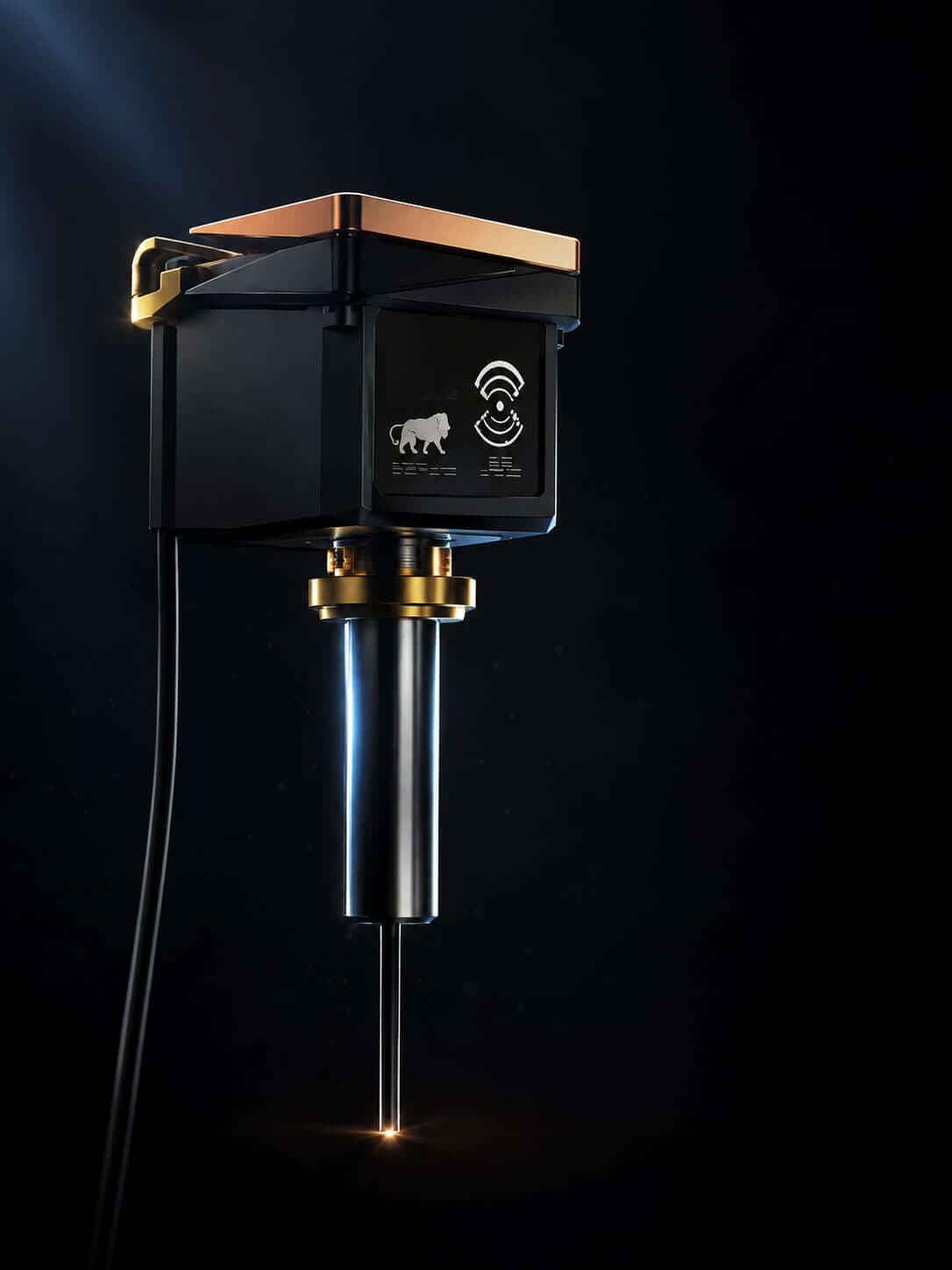
Online Process Parameter Measurement
Real-time temperature and process measurement for hostile, high-temperature environments where conventional sensors cannot operate.
NDE 5.0 — The Next Generation Research Framework
CNDE is helping define NDE 5.0, the next evolution of the field. It builds on digitisation and automation, adding new science, new sensing paradigms, and deeper industrial integration.
Technologies
- Fibre optic sensors
- Ultrasonic waveguide sensors
- Hybrid FO-UW systems
- Nano-functional sensors
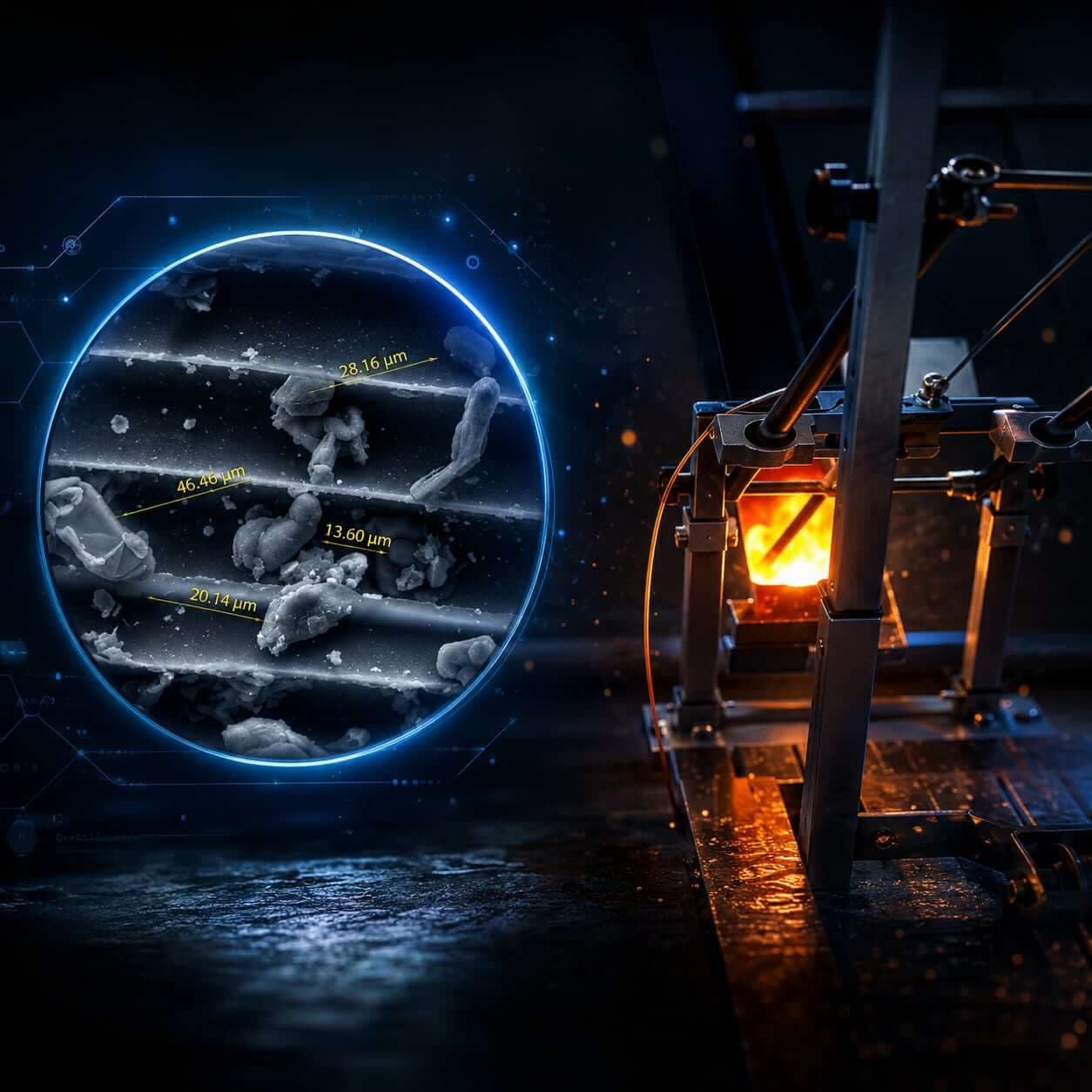
Moving beyond discrete sensor arrays to genuinely continuous, distributed sensing across large-scale industrial assets. CNDE is advancing three parallel tracks: distributed fibre optic sensing using Rayleigh scattering for large-volume monitoring; ultrasonic waveguide sensing for process parameters from −100°C to +1,500°C; and a novel hybrid fibre-optic and ultrasonic waveguide approach that enables remote transduction in explosive environments — a combination not previously attempted anywhere in the world.
CNDE is the acknowledged global leader in ultrasonic waveguide sensing. Its commercial translation is XYMA Analytics, serving 15+ multinationals.
Key Technologies Developed
CNDE's translational research has produced a body of validated, deployable inspection technologies across its 25-year history.
Robotized ultrasonic scanners for automated immersion and contact inspection
HOMC guided wave technology for corrosion detection in tanks and pipe supports, used globally
Guided wave inspection systems for annular plates and pipe supports
Robotic inspection platforms for pipelines, railway tracks, and submerged structures
Waveguide ultrasound sensors for temperature measurement from −100°C to +1,500°C
Distributed fibre optic sensing for large-scale infrastructure monitoring
Automated drone-based inspection with 3D digital-twin reconstruction
Affordable NDE simulation tools for industry and academic use
AI-driven automated defect recognition across multiple NDT modalities
Induction thermography for CFRP composite and metallic structure inspection

Research Infrastructure
CNDE's experimental infrastructure supports the full range of NDE modalities, from micro-scale characterisation to large-structure inspection system testing.
Key instruments
- Micro and nano CT systems
- FLIR and CEDIP infrared cameras
- Laser ultrasound systems
- Phased array UT platforms
- High-frequency pulse-receiver systems up to 200 MHz
- Air-coupled guided wave measurement systems
- Digital X-ray with flat panels
- GSSI ground-penetrating radar
- Acoustic microscopy
- Hyper-spectral imaging
- Staggered EMAT pipeline scanning systems
Supported by IIT Madras's broader research infrastructure: the Microelectronics Laboratory, Magnetics Research Laboratory, Microwave Characterisation Laboratory, Applied Optics Laboratory, Composites Technology Centre, and High Performance Computing clusters.
People Behind the Science
CNDE's leadership is supported by an Industrial Advisory Board of 10+ senior executives from energy, aerospace, defence, and manufacturing.
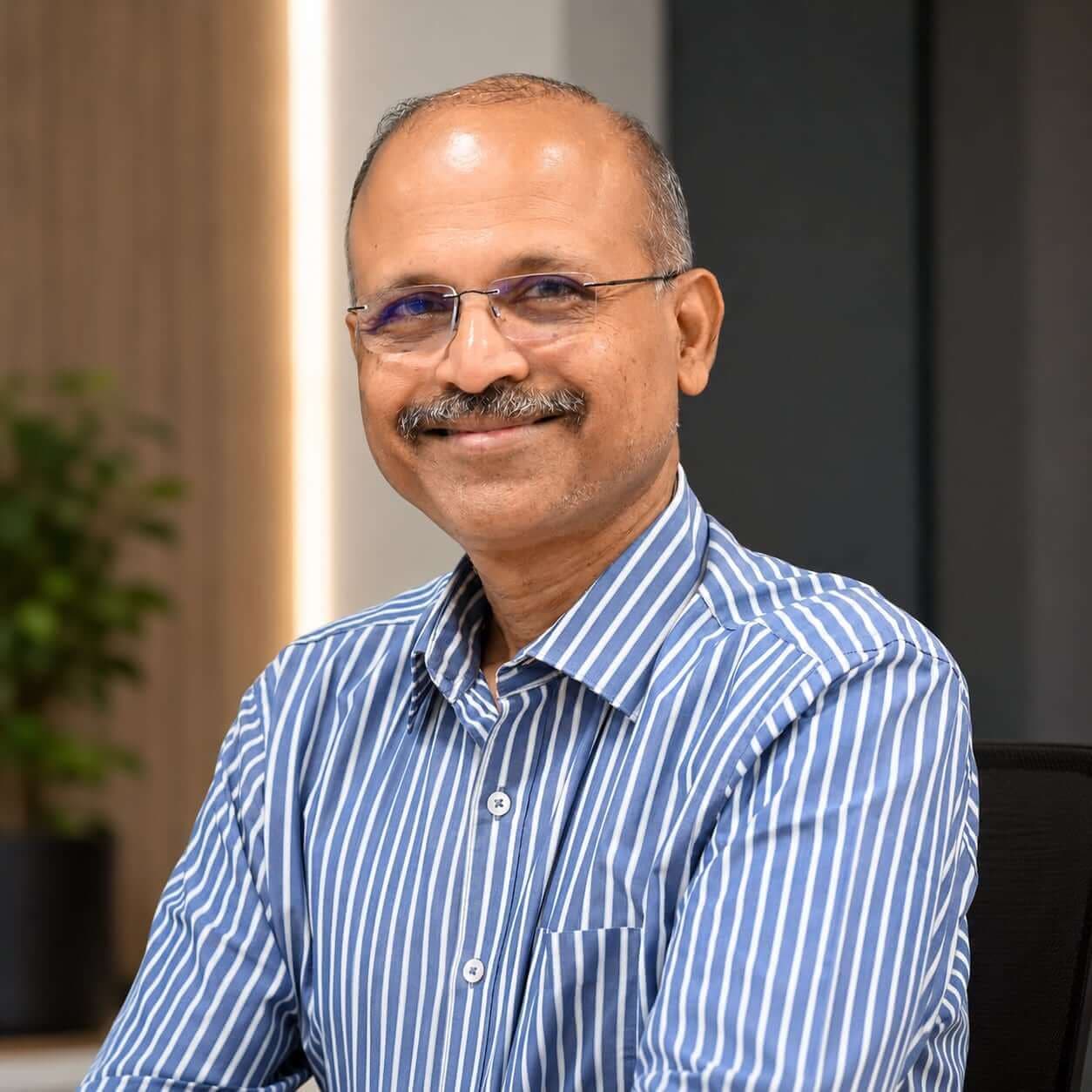
Prof. Krishnan Balasubramanian
Head of center for Non-Destructive Evaluation
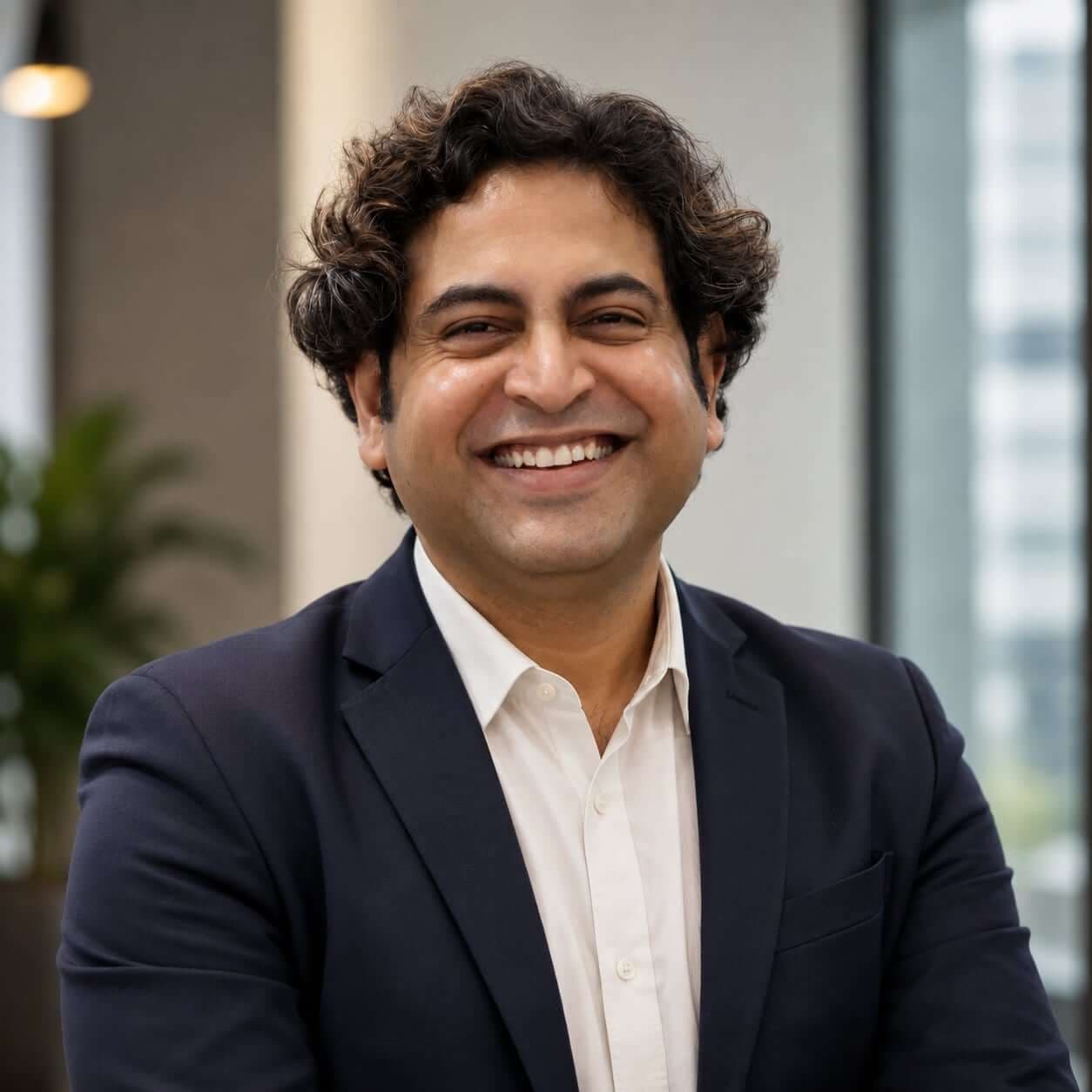
Prof. Prabhu Rajagopal
Deputy Head of center for Non-Destructive Evaluation
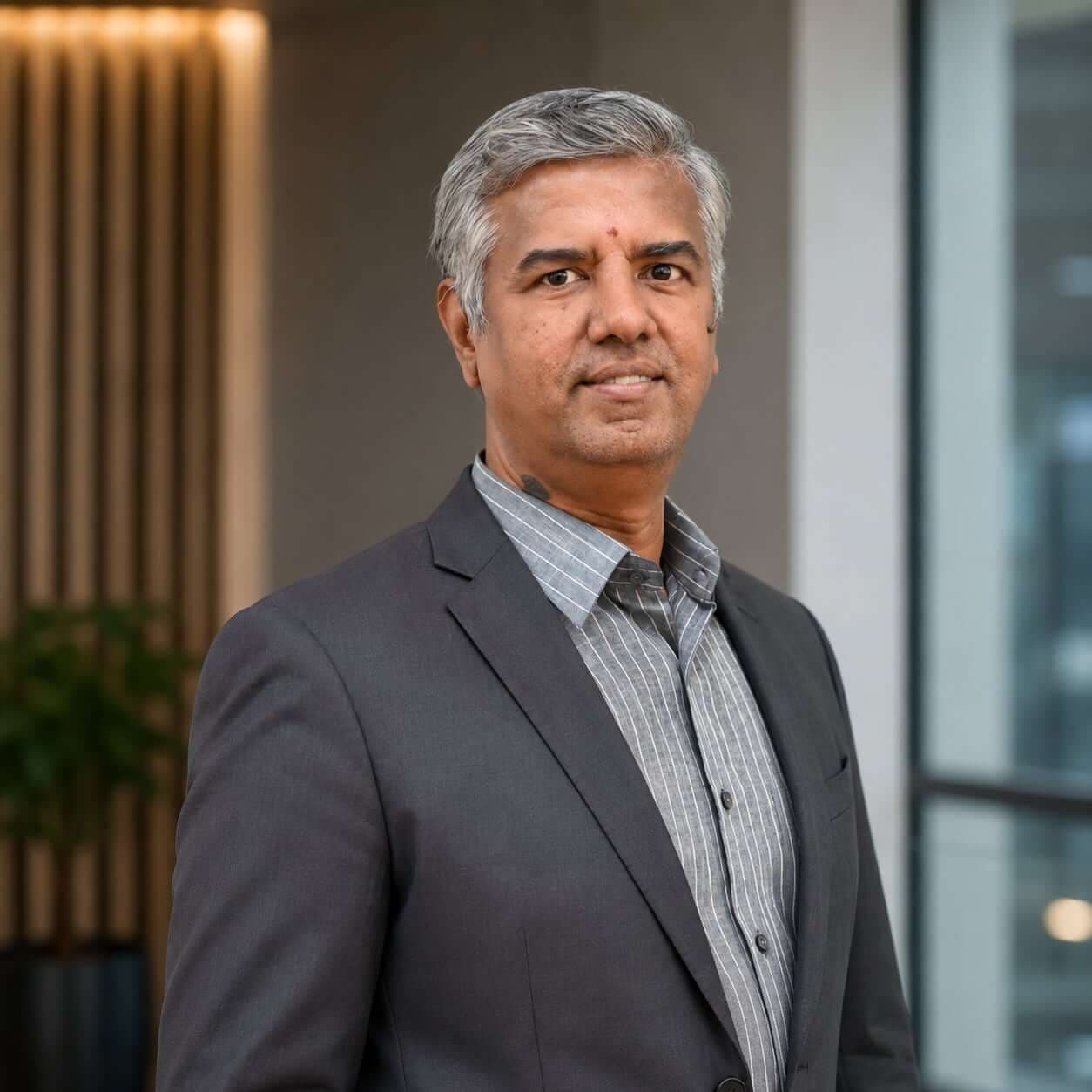
Prof. Balaji Srinivasan
Professor at the center for Non-Destructive Evaluation
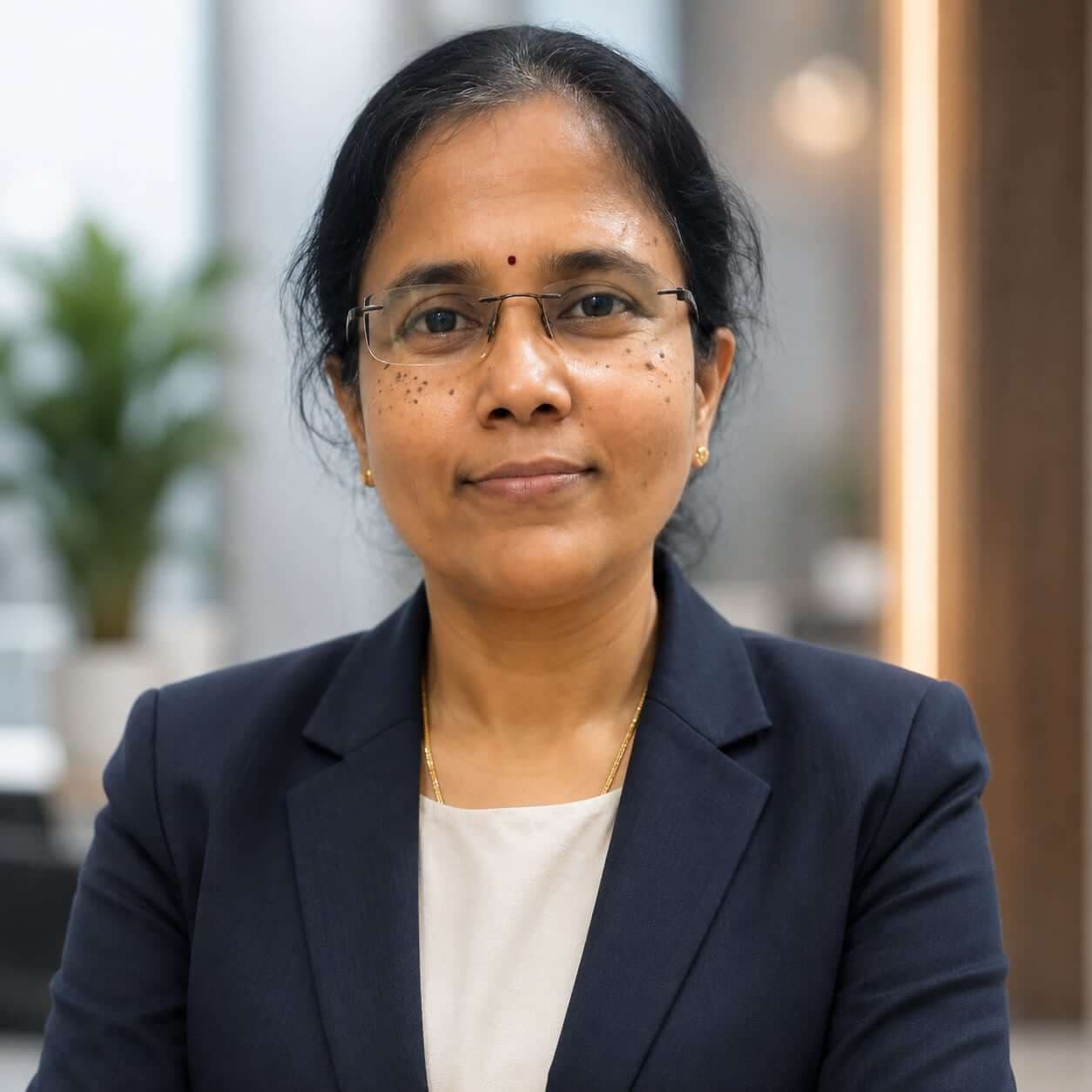
Prof. Kavitha Arunachalam
Professor at the center for Non-Destructive Evaluation
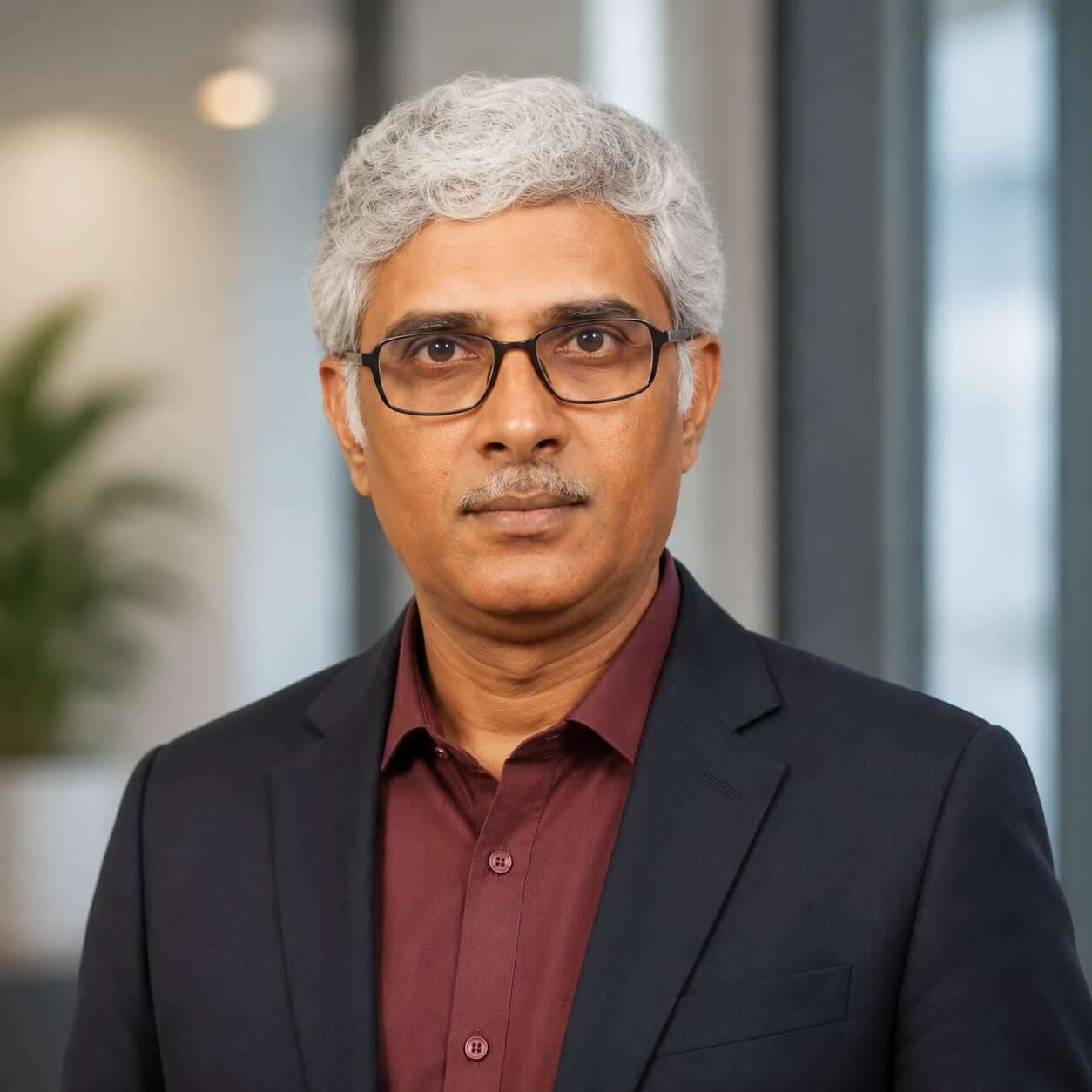
Prof. CV Krishnamurthy
Professor at the center for Non-Destructive Evaluation
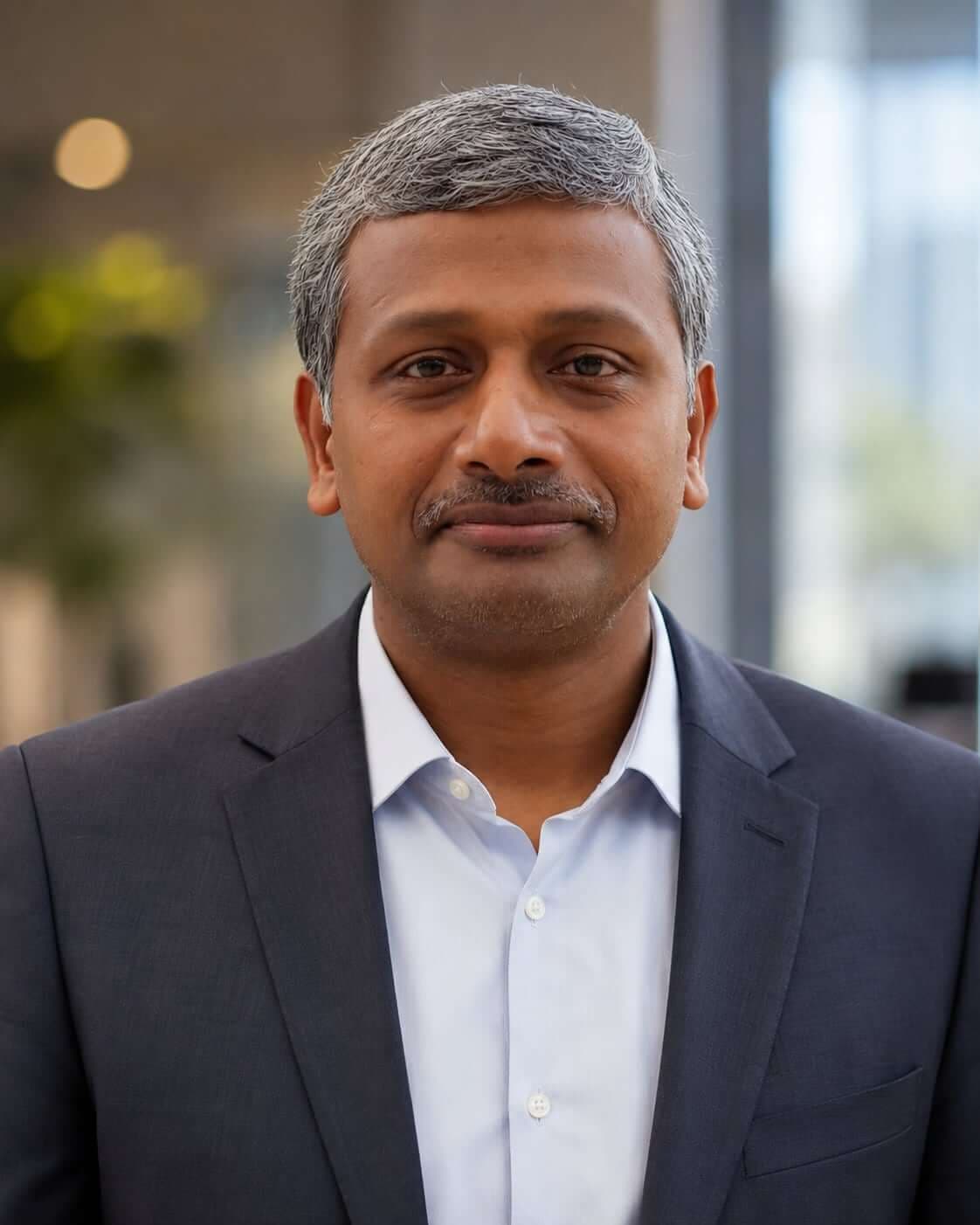
Prof. Manu Santhanam
Professor at the center for Non-Destructive Evaluation
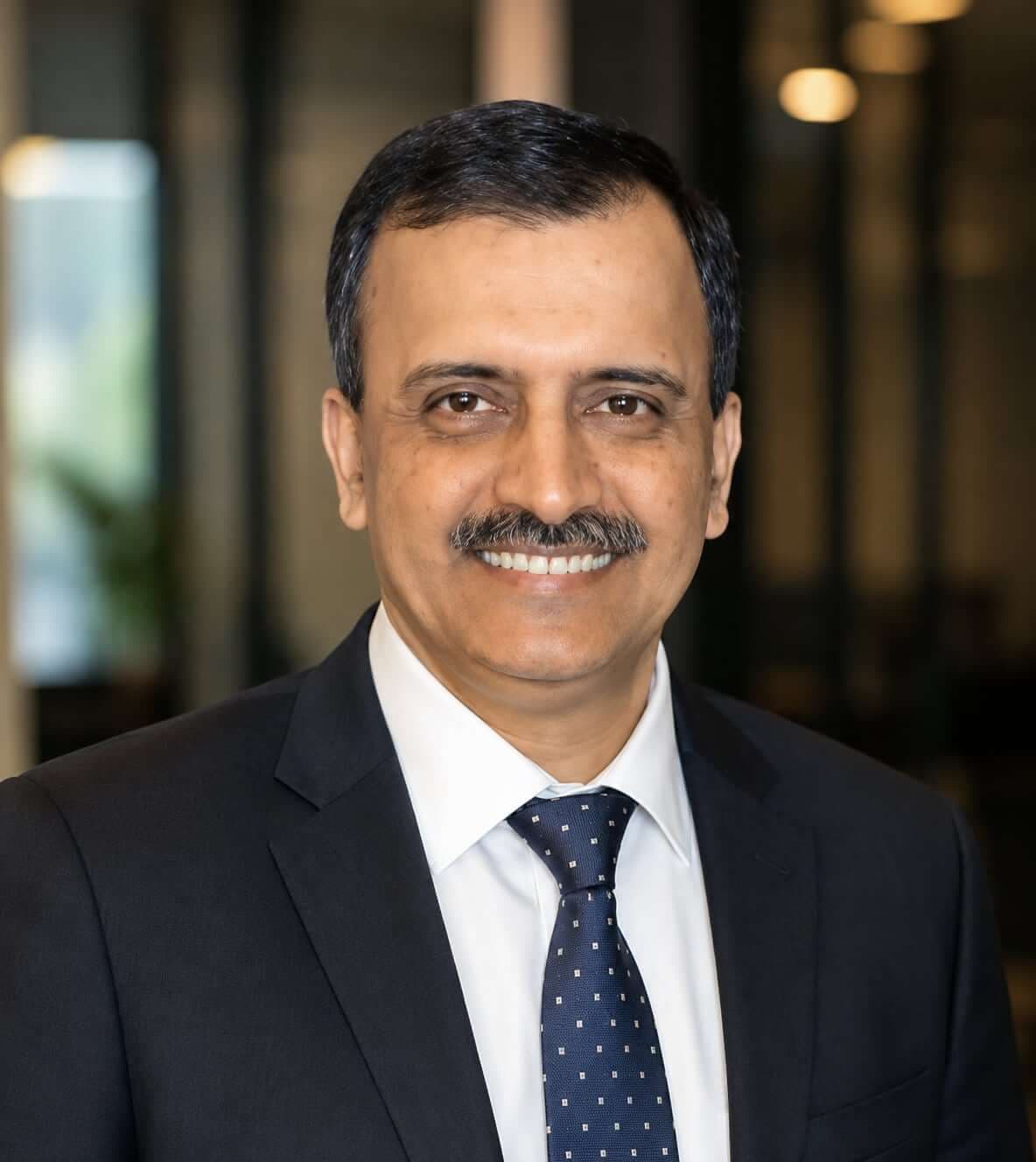
Prof. S. Ramaprabhu
Professor at the center for Non-Destructive Evaluation
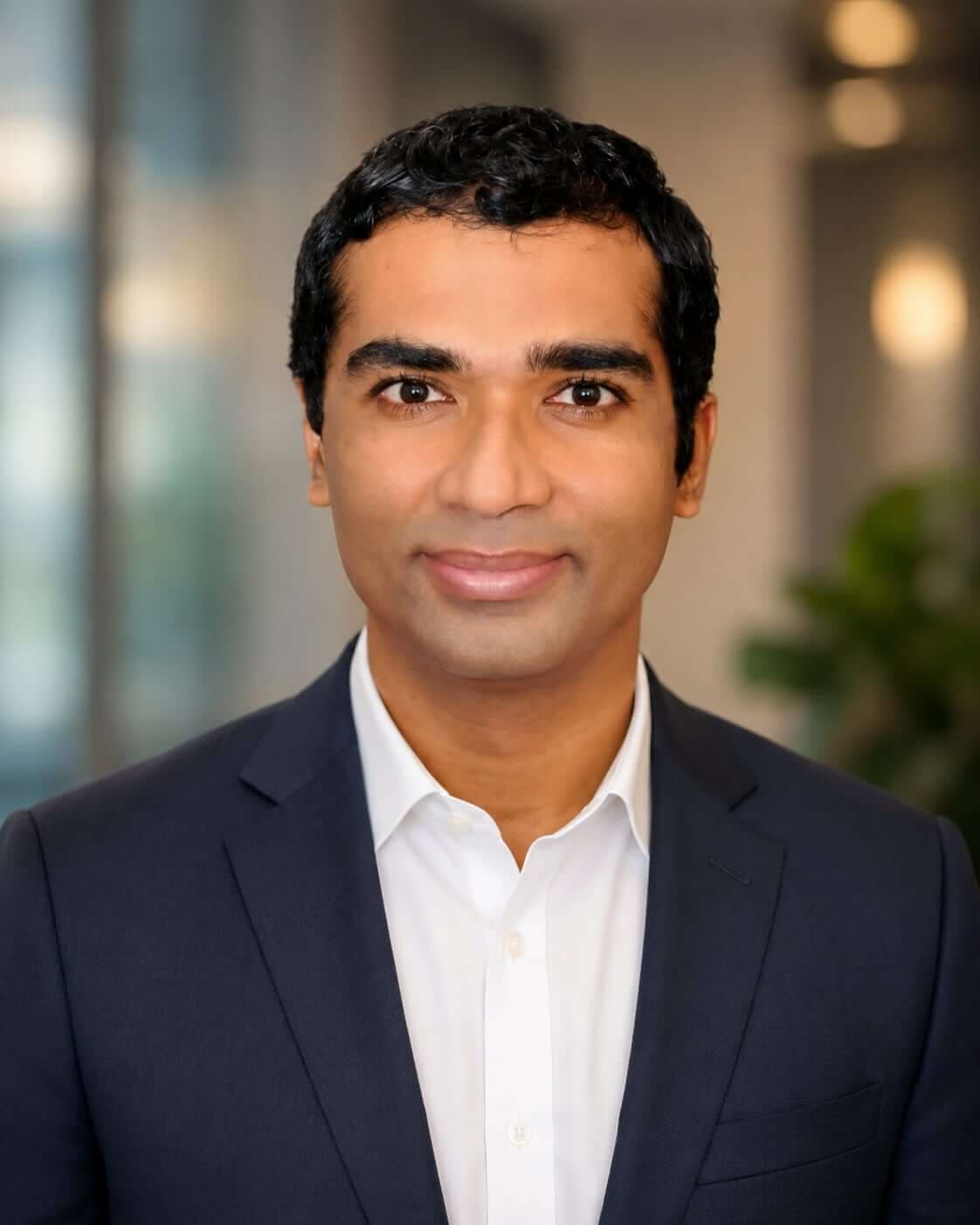
Prof. Tiju Thomas
Professor at the center for Non-Destructive Evaluation
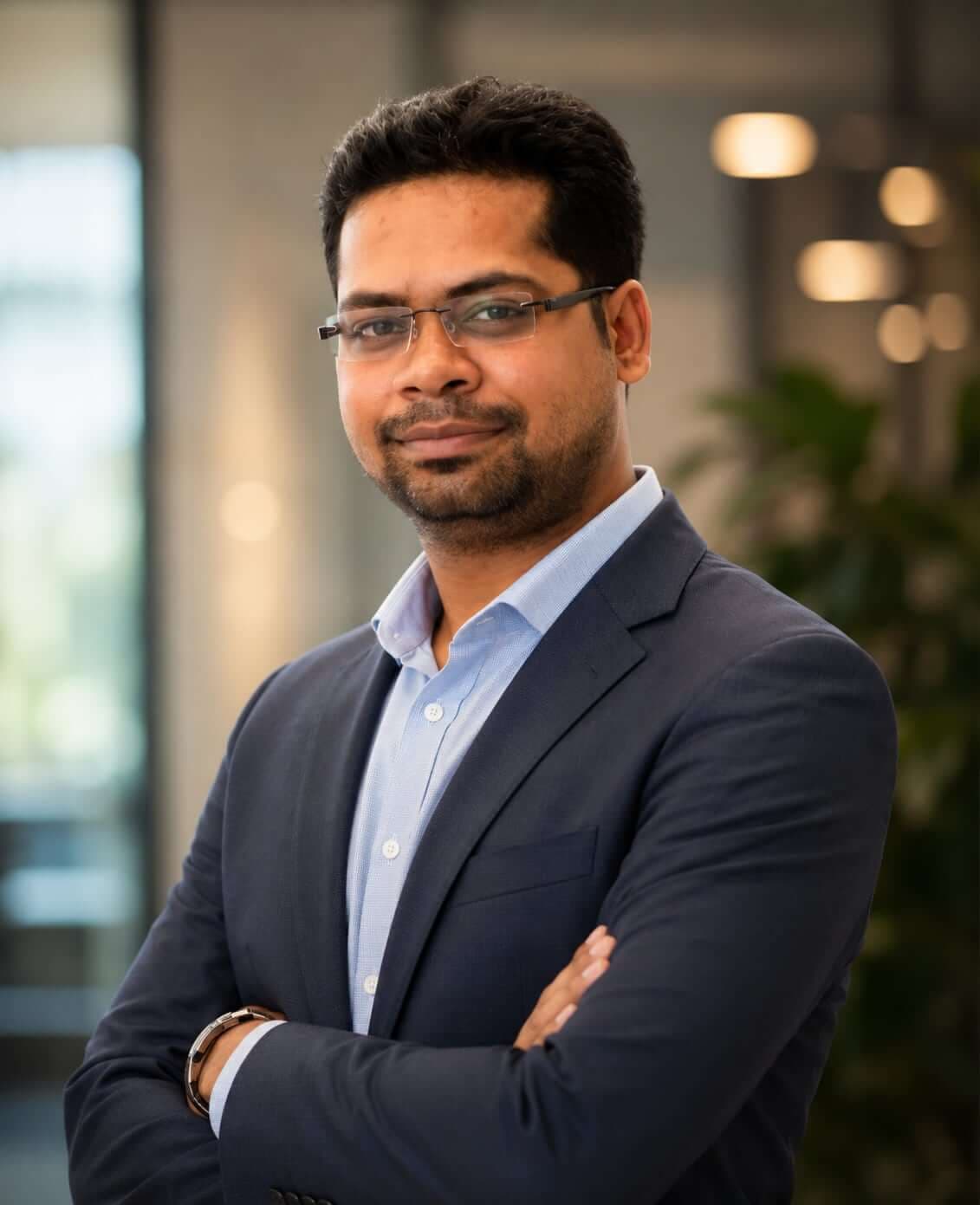
Abhishek Saini
Professor at the center for Non-Destructive Evaluation